Search

We are CDR
About Us
We started in London in 2002, bringing producers together to play unfinished music on a proper sound system. There were no expectations for tracks to be finished or polished. The point was to hear your music in a room with other people, learn from the process and keep making.
More than two decades later, that same spirit runs through everything we do. From our open sessions and artist development programmes to workshops for young people, we create spaces for music-makers to experiment, develop their skills, exchange ideas and learn from one another.
We believe some of the most important learning happens through doing: trying things out, sharing work before it feels finished, asking questions and being around other people who are figuring things out too. Our spaces are open rather than exclusive, collaborative rather than competitive, and built around the idea that creative development is an ongoing process.
CDR has grown and changed since 2002, but the reason we exist hasn’t: to give music-makers the space, tools, knowledge and community to keep developing their practice.
THE CDR PATHWAY
Supporting music-makers from first steps to professional growth
There’s no single route to becoming an artist. You might be making music for the first time, developing your sound, learning how to finish and release your work, or building a career around it.
Our programmes are designed to support music-makers at these different stages, with opportunities to keep learning and progressing as their practice develops. Together, they form the CDR Pathway: a way to enter the CDR community at one stage and find opportunities to take your next step when you’re ready.

Music Producer Club
Bringing electronic music-making into schools and youth settings, introducing young people to production and creative possibility.

CDR Sessions
In-conversation events where producers can test new ideas in a room of supportive peers and guests.
Process & Out The Box
Focused cohorts supporting technical growth, confidence, and peer exchange.

Pathways
Artist development support for emerging producers ready to take their next step.
Together, these programmes create continuity—from early exposure to sustained practice—grounded in community and care.
OUR HERITAGE
CDR began in London in 2002, founded by Tony Nwachukwu as a space for producers to hear their unfinished music on a proper club sound system.
The format was simple. Producers brought their tracks on CD-Rs and left them by the DJ booth. Throughout the night, Tony would play them through the sound system, often giving someone the chance to hear their music in that environment for the first time.
There was no pre-selection and no expectation that a track needed to be finished. If you brought music, it got played.
That openness shaped the community that grew around CDR. People came to hear their own work, but stayed to listen to everyone else's, exchange ideas and learn from what they heard. The focus wasn't on having a finished product to show off. It was on the process of getting better.
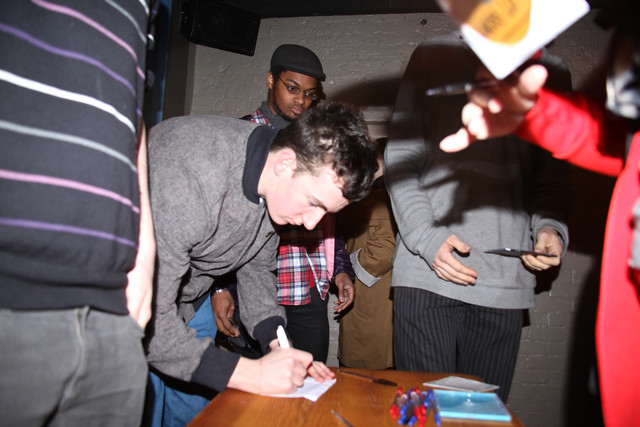
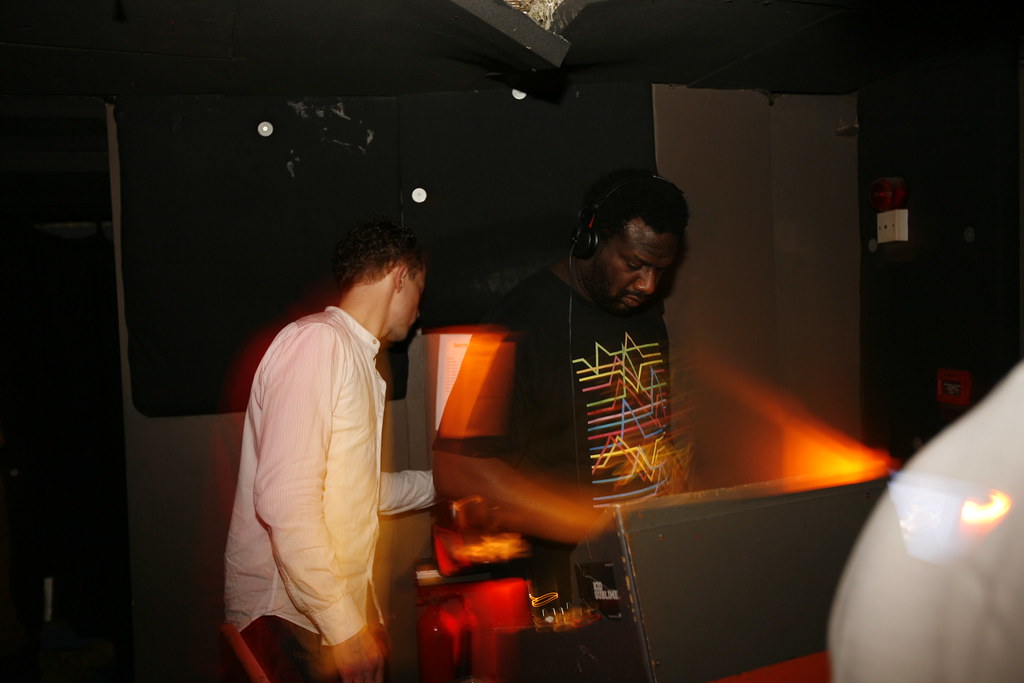
As the sessions grew, CDR found homes at venues including Embassy Bar, Plastic People and later Corsica Studios, becoming a meeting point for producers and artists across London's electronic music community.
Over time, that same approach grew beyond the original club night. CDR developed new ways to support music-makers, from their earliest experiences of music production through to developing their practice and building a career.
More than two decades later, a lot has changed. But the idea at the heart of CDR hasn't: give people somewhere to bring what they're working on, the tools and knowledge to take it further, and a community to grow alongside.
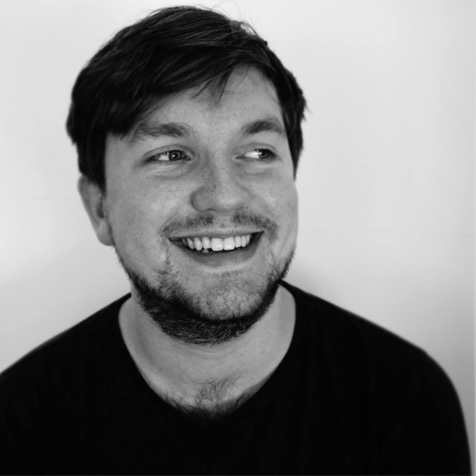
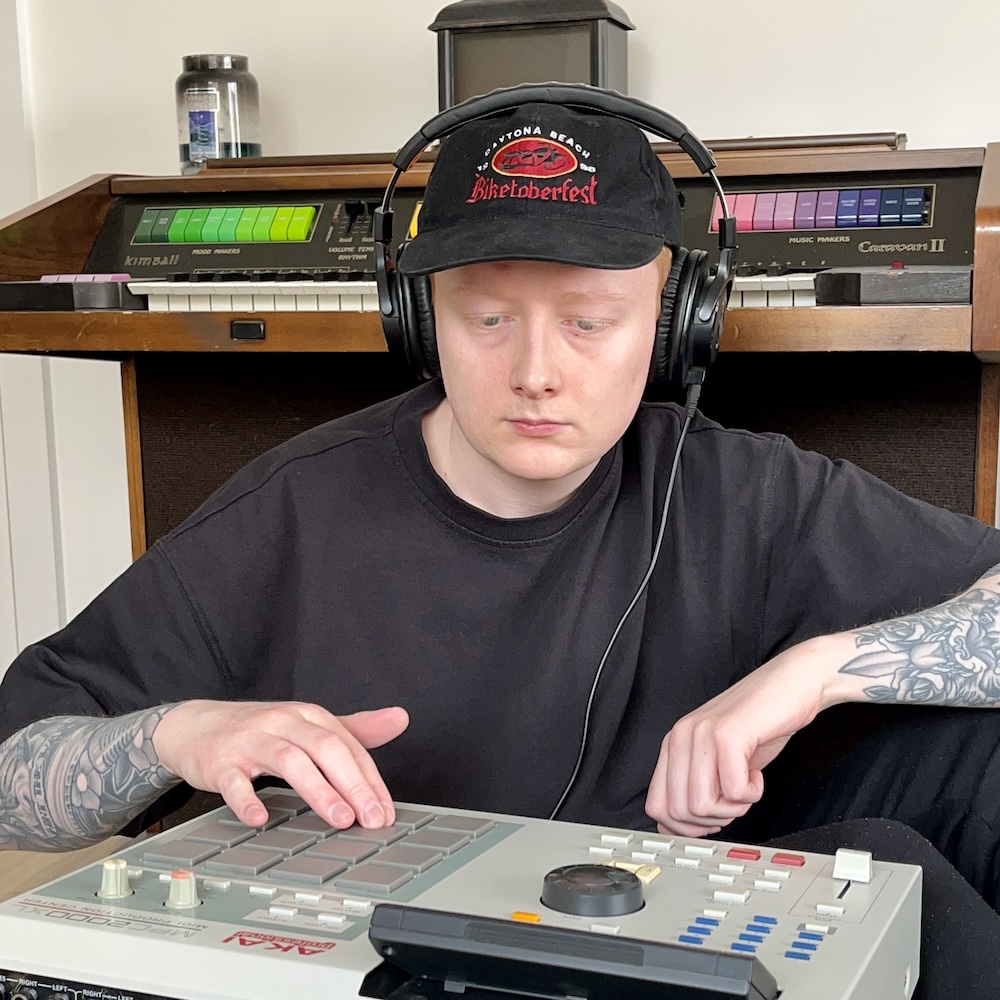
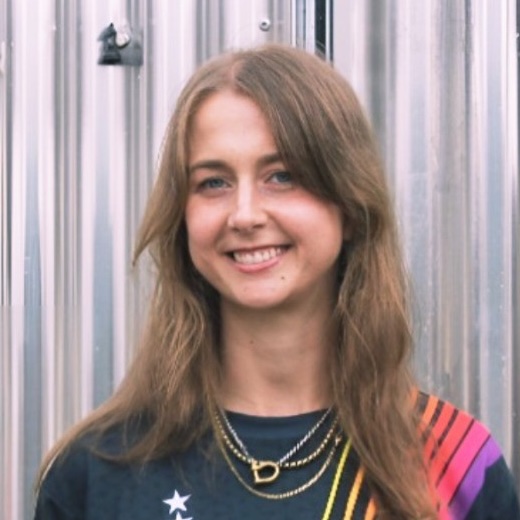
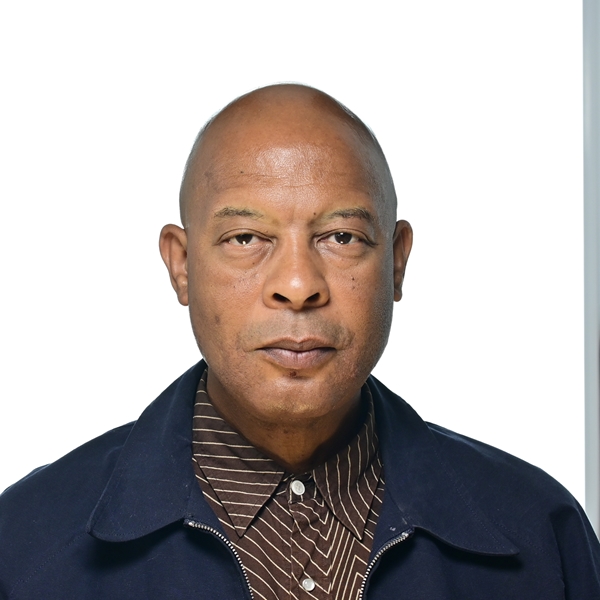
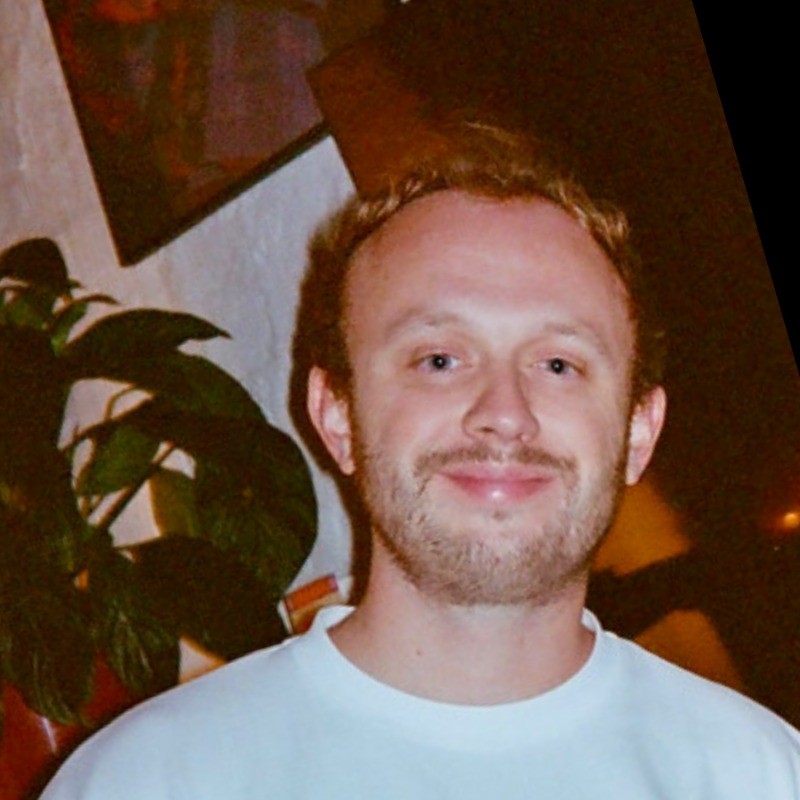
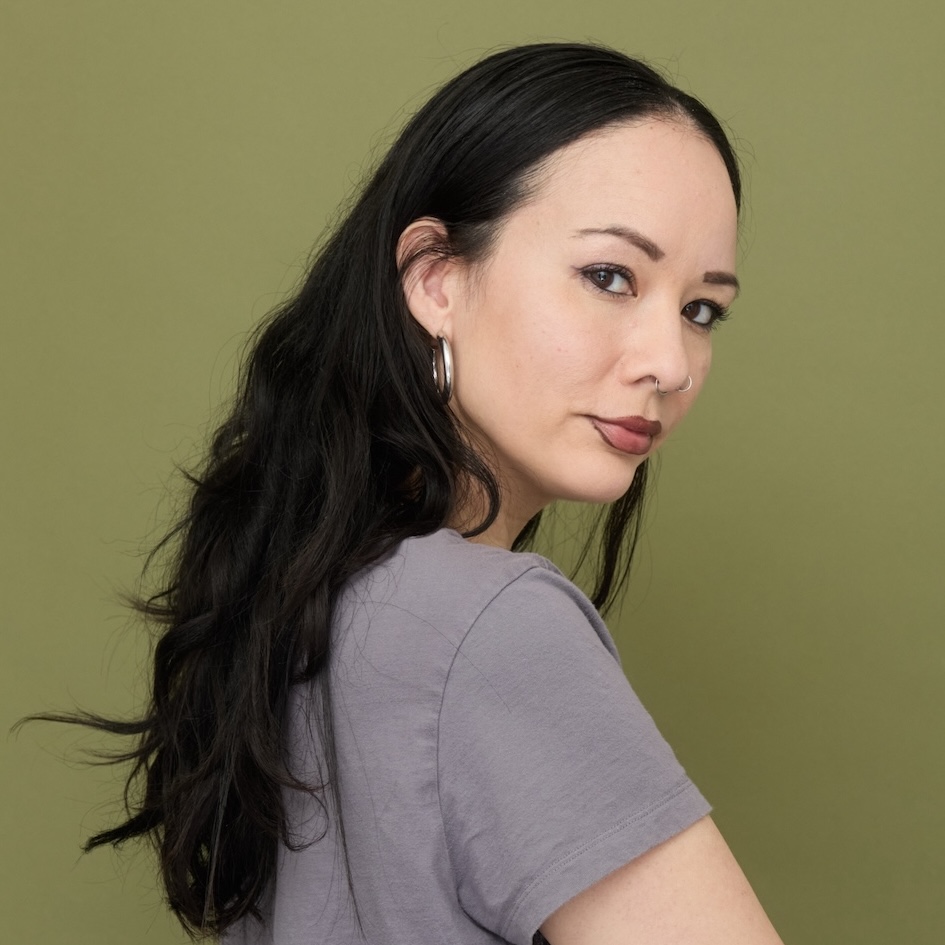
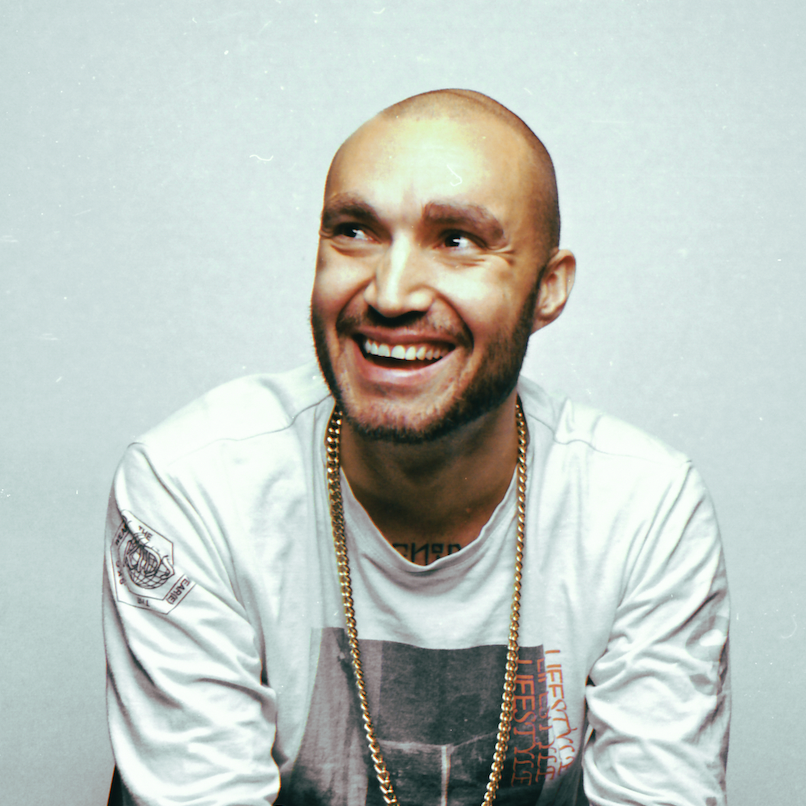
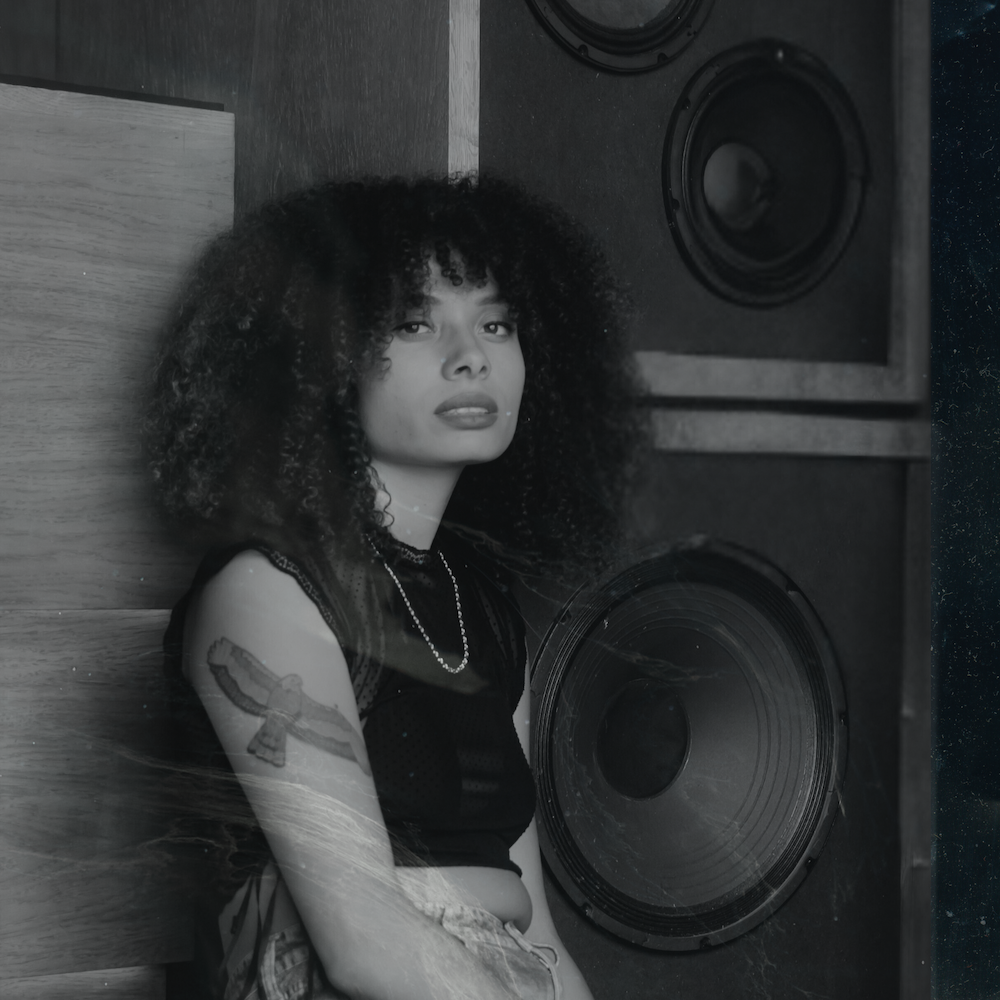
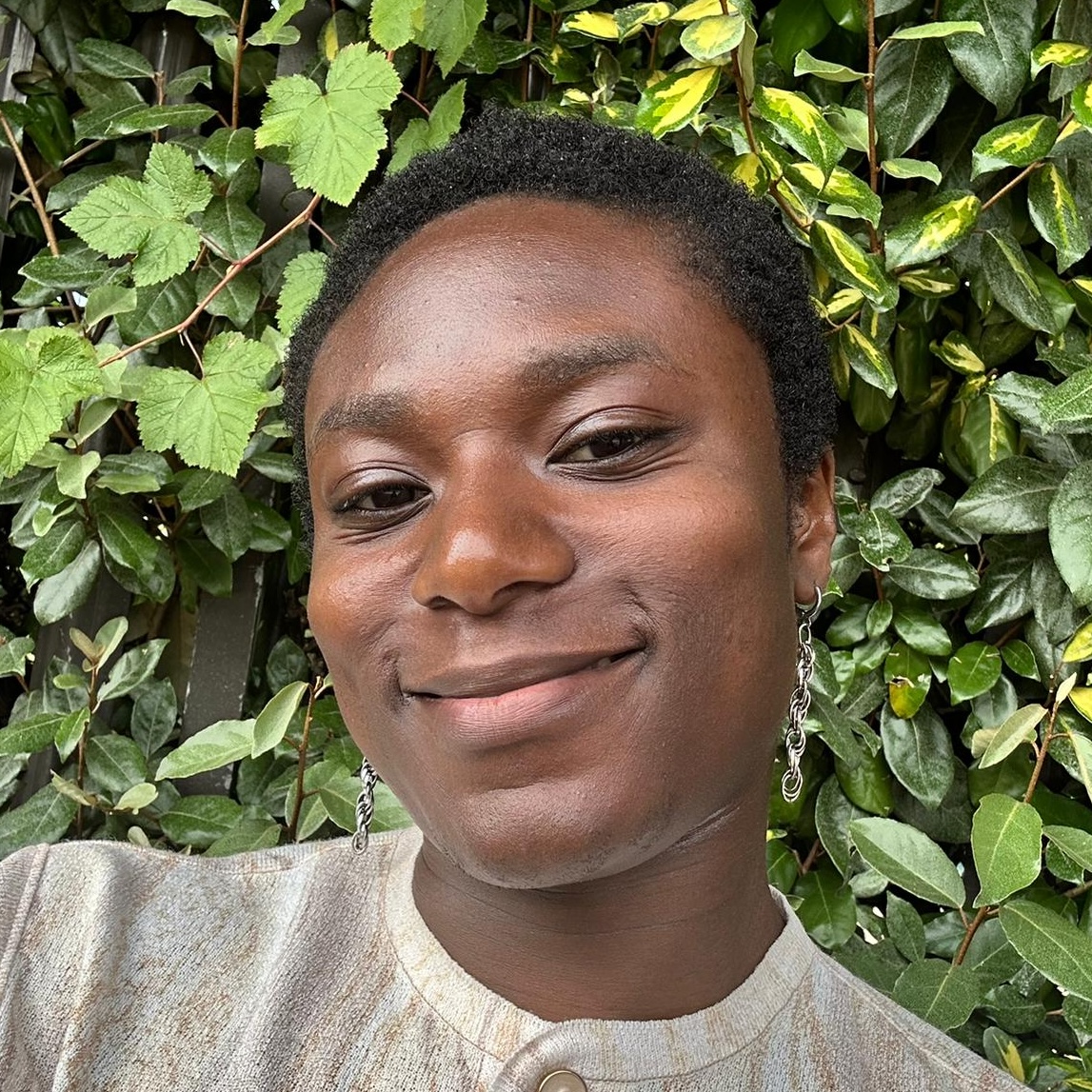
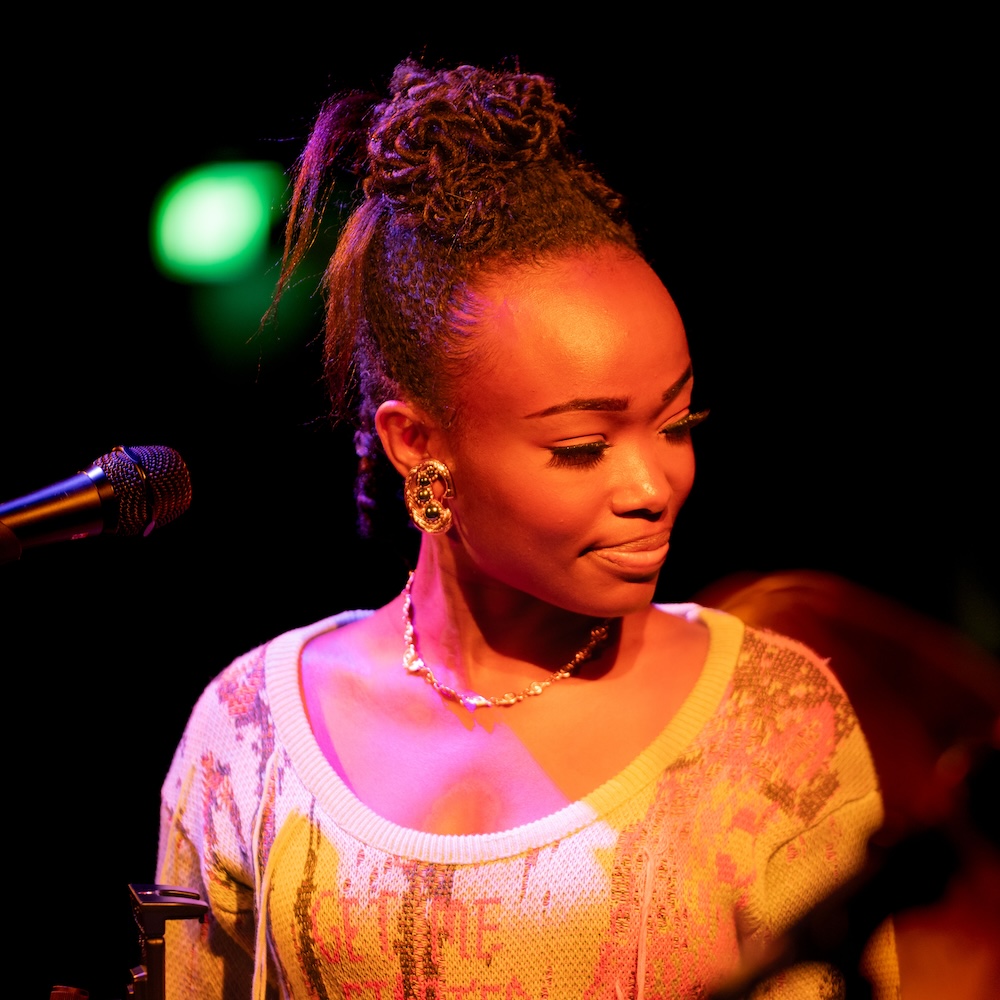
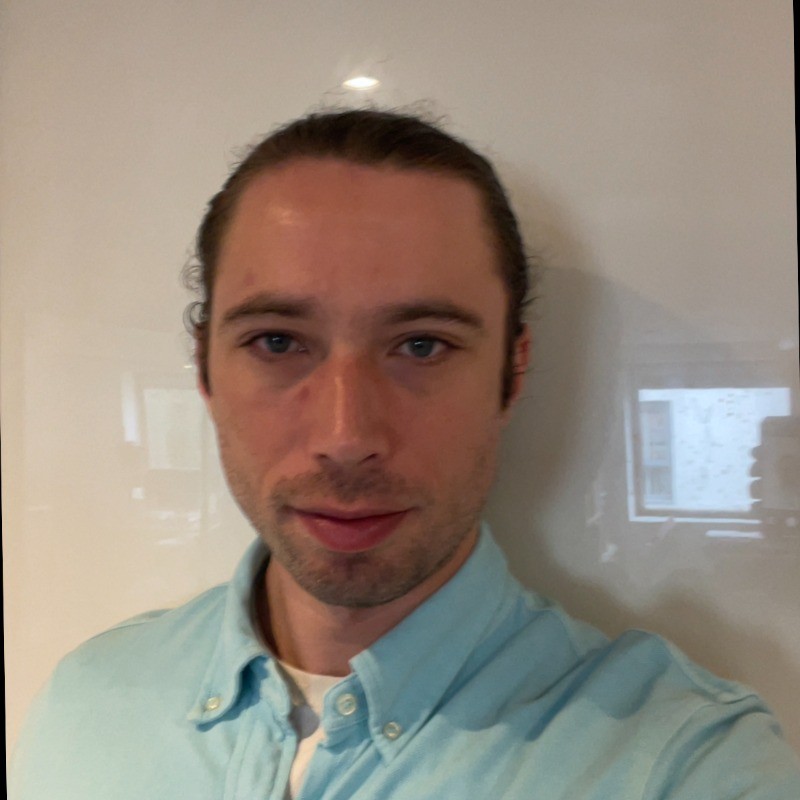
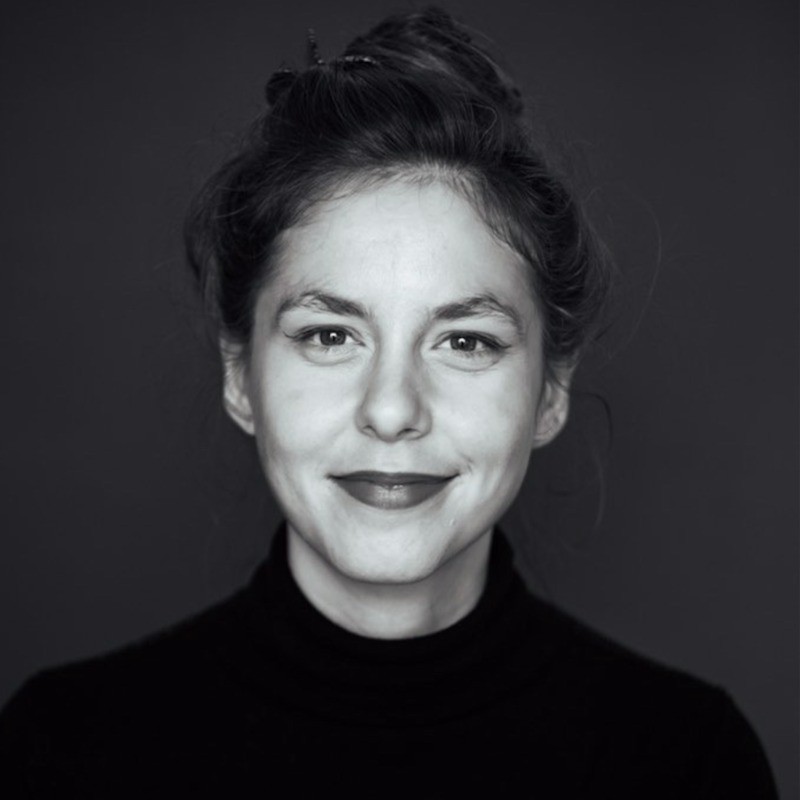
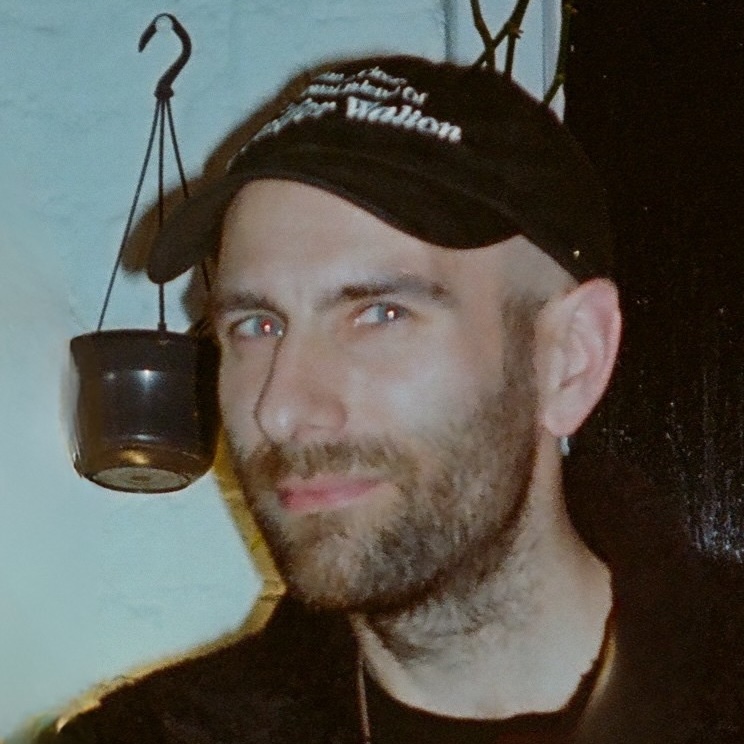
CDR today is shaped by a community of artists, educators and organisers carrying that legacy forward.
Meet the team









.png)

Mentions & Press


Keep up to date on all things CDR

120-124 Curtain Road, London, England, EC2A 3SQ
CDR CIC, company number: 12000586


Since we started back in 2001, CDR has been all about community, creating spaces for people to connect and develop through music.
Back in the Plastic People days, you could fit all of us in one small room around one soundsystem. Today, our projects and programmes extend from the dancefloor to schools, youth centres, as well as grassroots clubs and venues across the country and further afield. But in challenging times, with grassroots organisations like ours closing all around us, every bit of support counts.
Your help will enable us to continue delivering music programmes and events in the UK to the people who need it most. Our mission is simple: to build an equitable music ecosystem for producers and artists.
If you have any questions or want to support in other ways please contact us at support-us@createdefinerelease.com
Thank you